You Bought It, They Buried It: The Dirty Secret Behind Streaming Library Removals
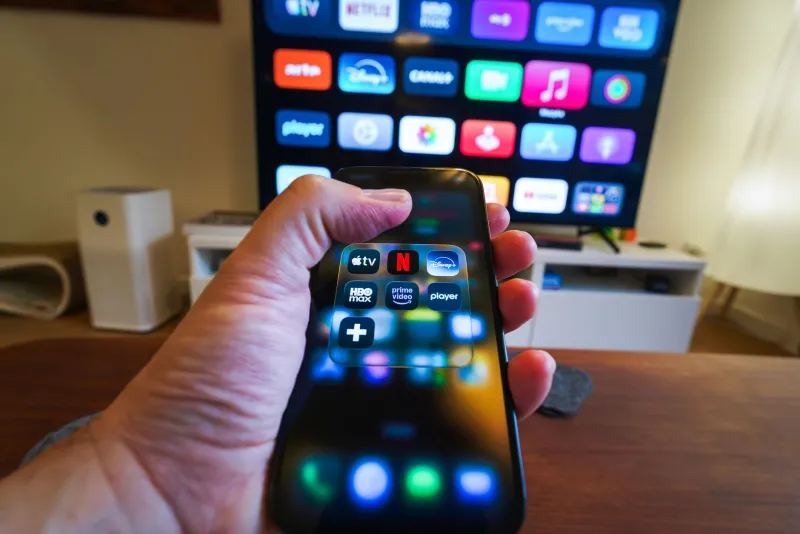
There's a particular kind of frustration that hits when you open up your streaming app, scroll to something you've been meaning to watch for weeks, and find nothing but a dead link or — worse — a cheerful suggestion to rent it again for $4.99. You already paid for this. Or at least, you thought you did.
This is one of the most misunderstood parts of living in a cloud-first entertainment world. The content isn't really yours. It never was. And the platforms are counting on you not thinking too hard about that.
What "Access" Actually Means in a Streaming Contract
When you sign up for a streaming service — whether it's a subscription or a one-time digital purchase through a platform like Amazon Prime Video or Apple TV — you're not buying the content the way you'd buy a DVD at Target. You're licensing it. There's a meaningful legal difference, and it's buried somewhere around page six of a terms-of-service agreement that approximately zero people read in full.
Licensing means the platform has the right to deliver that content to you for as long as their own agreement with the studio or rights holder stays active. When that deal expires, renewals fall through, or a studio pulls content to launch its own competing service, the content can disappear — sometimes overnight, sometimes with a quiet 30-day notice tucked into an email you probably marked as read without opening.
The cloud doesn't have a conscience about this. It just executes whatever the current licensing terms allow.
The Rotating Door Problem
Content libraries on major platforms churn constantly. Netflix alone has removed thousands of titles over the years as licensing deals expired and studios increasingly chose to keep content on their own platforms. Disney pulled its catalog from competitor services to fuel Disney+. NBCUniversal did the same for Peacock. Warner Bros. Discovery made some famously controversial moves when it quietly removed original programming — shows that had been made for HBO Max — seemingly without warning.
For subscribers, this creates a maddening experience. You're paying a monthly fee for a library that isn't static. It shifts. It shrinks in some places while expanding in others. And there's no legal obligation for most platforms to maintain the specific titles that convinced you to subscribe in the first place.
This is fundamentally different from cable, where your channel lineup was at least predictable month to month. In the cloud, the shelf is always being restocked — and not always with things you wanted.
When You "Buy" a Digital Movie, What Are You Actually Getting?
Here's where it gets even murkier. Some platforms let you purchase individual titles — a movie, a season of a show — rather than just subscribing for access. This feels like ownership. It looks like ownership. The platform might even use the word "buy" in big bold letters on the transaction screen.
But read the fine print and you'll find language that says something closer to: "You are purchasing a license to stream this content, which may be revoked if licensing agreements change."
This isn't hypothetical. In 2018, users who had "purchased" content through Microsoft's Movies & TV storefront discovered that the platform was shutting down and their libraries were being migrated — or in some cases, lost. More recently, customers who bought films through certain Vudu and FandangoNow accounts during a platform merger found their libraries in limbo.
Physical media doesn't do this. A Blu-ray you bought in 2011 still plays in 2025. A digital "purchase" is only as permanent as the company behind it.
How Different Platforms Handle This (And Who's Slightly Less Sneaky About It)
Not all services are equally opaque about their policies, to be fair.
Amazon Prime Video does notify users when content is leaving the platform, usually with a banner on the title page. They also separate "included with Prime" content from titles available to rent or buy, which at least sets clearer expectations.
Apple TV has one of the stronger reputations for honoring digital purchases, partly because Apple has financial incentive to maintain user trust across its ecosystem. They've also historically stepped in to provide alternative access when studio licensing issues arose.
Netflix is purely subscription-based, so there's no illusion of individual ownership — you're renting access to a rotating library, full stop. That clarity is at least honest, even if the constant content churn is still frustrating.
Smaller platforms and niche services tend to have the least transparent policies, and they're also the most likely to shut down entirely, which is the nuclear version of the content-removal problem.
What the Industry Calls It vs. What It Actually Is
Platforms use carefully softened language around all of this. They talk about content "cycling," libraries "refreshing," or titles "moving to new homes." What they mean is: the deal expired, someone didn't want to pay to renew it, and now you can't watch the thing you thought you had access to.
"Cloud ownership" is a marketing phrase, not a legal one. In the actual legal framework governing digital media in the US, consumers have remarkably few protections compared to physical goods purchases. The first-sale doctrine — the law that lets you resell or lend a physical book or DVD — doesn't apply to digital licenses. You can't resell a digital movie. You can't lend it to a friend. And you might not even be able to watch it six months from now.
So What Can You Actually Do?
Short of going back to physical media (which, honestly, some people have done), your options are limited but not zero.
First, save offline when the platform allows it. If a title is available for download within a subscription, grab it before it disappears from the library. Downloads aren't permanent either — they typically expire too — but they buy you time.
Second, use a service like Movies Anywhere to consolidate digital purchases across studios and platforms. It doesn't solve the licensing problem, but it at least reduces the risk of losing everything if one platform goes under.
Third, stay skeptical of the word "buy" in any digital storefront. Ask yourself what the platform's track record looks like, whether they've had past issues with library removals, and whether that $14.99 purchase is really worth it versus a rental.
Finally, pay attention to removal notices. Most platforms do send them — they're just easy to miss. A quick scan of your watchlist every few months, especially for titles you care about, can save you the disappointment of a vanished show.
The Bottom Line
Cloud streaming is genuinely incredible for convenience, variety, and access. CBB TV isn't here to tell you to throw your Fire Stick in the trash. But part of streaming smarter is understanding what you're actually paying for — and right now, that's access to a library that someone else controls, under terms that can change without much warning.
The cloud doesn't sleep. It just doesn't always remember what it borrowed from you.